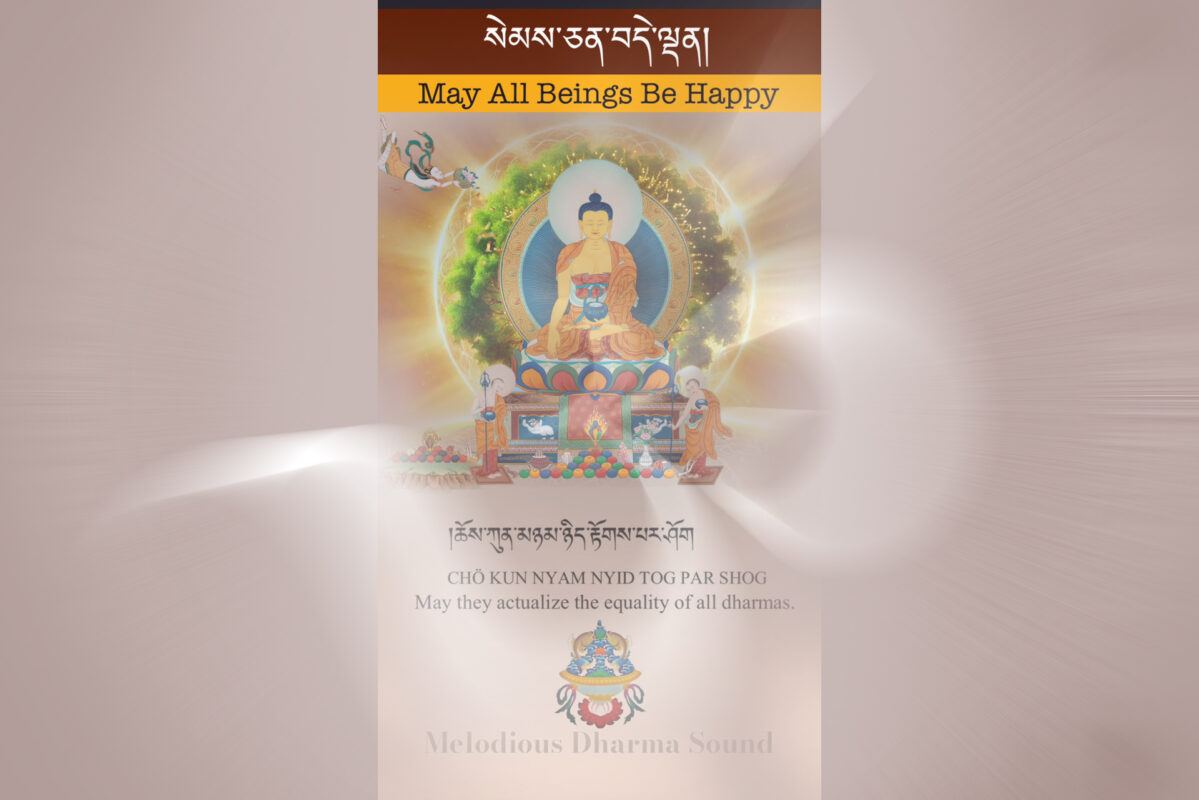
Dedication of Virtue Like the Buddhas of the Three Times

Dedication of Virtue Like the Buddhas of the Three Times expresses the supreme aspiration of Mahāyāna and Vajrayāna practice: to seal all accumulated merit with dedication (pariṇāmanā). By dedicating virtue in harmony with the wisdom intent of the Buddhas of the past, present, and future, merit becomes inexhaustible and free from loss. Rooted in non-attachment and bodhicitta, such dedication transforms every wholesome action into a cause for complete enlightenment, ensuring that all virtue ripens solely for the liberation of all sentient beings.

Source: Melodious Dharma Sound

Related Articles

GIAO LONG MONASTERY

Gathering the Accumulations evokes the sacred mandala of the Three Roots—Lama, Yidam, and Khandro—the living sources of blessing, realization, and enlightened activity in Vajrayāna Buddhism. The supplication “Lama Yidam Khandro Sheg” is not merely an invitation, but a heartfelt calling of wisdom and compassion to descend into the practitioner’s continuum. Through devotion and aspiration, merit

GIAO LONG MONASTERY

The Chenrezig Mantra, Om Mani Padme Hum, embodies the boundless compassion (mahākaruṇā) of Ārya Avalokiteśvara (Chenrezig), the bodhisattva who hears the cries of all sentient beings. Recited with faith and mindfulness, this six-syllable mantra purifies the six realms of samsara, transforms afflictive emotions, and awakens innate bodhicitta. As the prayer wheel turns and the sacred

GIAO LONG MONASTERY

Concise Tsok Offering represents the sacred gaṇacakra of Vajrayāna—the gathering of practitioners, deities, and enlightened forces within the pure view. Offered to the Three Roots—Lama, Yidam, and Khandro—tsok unites generosity (dāna), devotion, and wisdom, restoring samaya and transforming ordinary substances into wisdom nectar. Through mantra, visualization, and dedication, the offering becomes a vast field of

GIAO LONG MONASTERY

This aspiration expresses the universal wish at the heart of Buddhist compassion: that all sentient beings, without exception, may experience genuine happiness and be completely free from suffering. It reflects the Buddha’s own intention and the fundamental motivation of the Bodhisattva path. Reciting this prayer aligns the practitioner with the limitless scope of awakened compassion.